
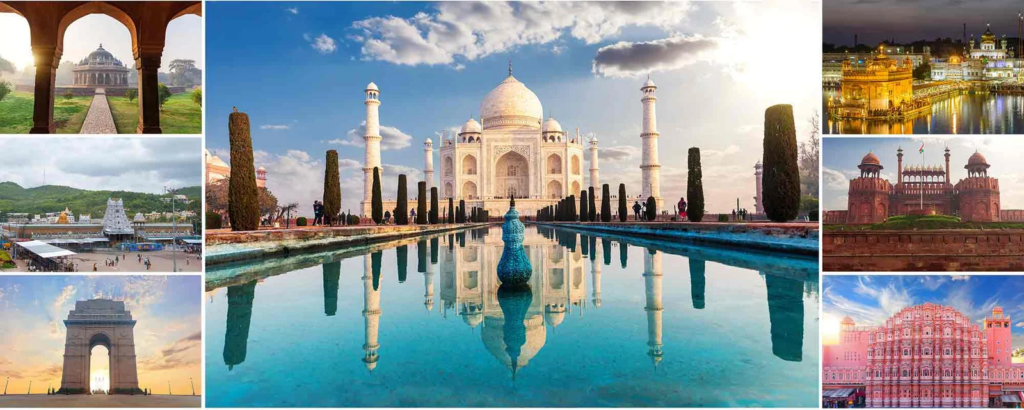
India isn’t a country where history sits quietly behind glass cases or velvet ropes. Heritage It’s right out in the open—alive, noisy, and mixed into every single hour of the day.You can stand in front of a thousand-year-old temple, step back to dodge an electric rickshaw, and then turn down an alley where someone’s family has been frying up the exact same spiced lentils for four generations.
The modern world keeps moving right along, but the past isn’t just something you read about in textbooks—you walk on it, eat it, and hear it in the daily hum of the streets.
If you’re planning a trip to dive into this side of India, skipping the fast-paced, cookie-cutter itineraries is the best decision you can make. The magic of India’s heritage cities Heritage rarely happens while you’re staring up at a grand monument (though those are incredible too). It happens when you slow down enough to let the city show you its real heart.
What Actually Makes a City a “Heritage” Destination?
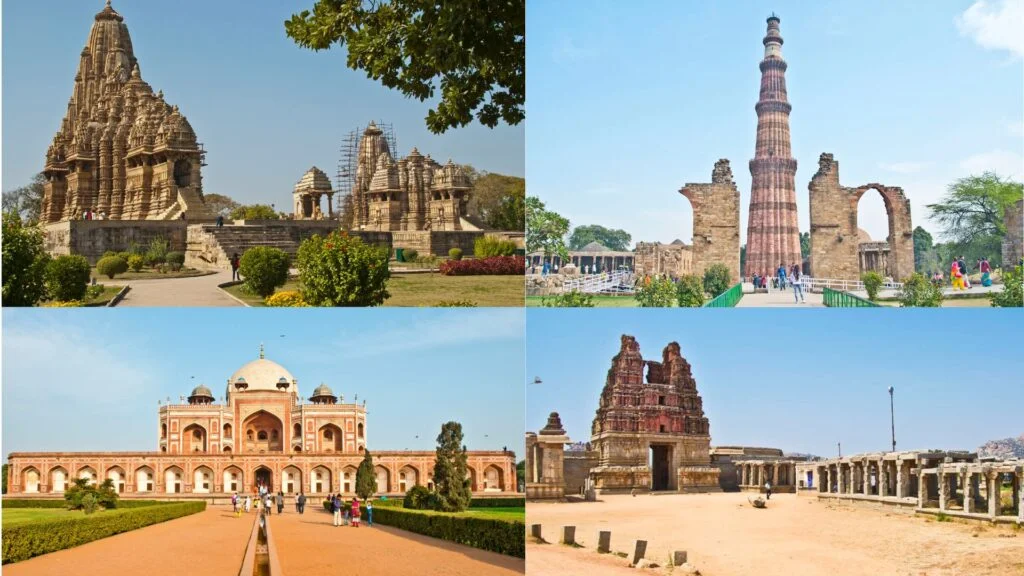
It’s way more than just having a bunch of old stone walls.
A true Heritage city has an identity that was forged slowly over hundreds of years. Some grew up around wealthy royal courts, where kings poured fortunes into marble, sandstone, and gardens.Heritage Others thrived as frantic trading stops along ancient silk routes, or as sacred riverfronts where pilgrims have gathered for centuries.
When you visit, the real essence of these places reveals itself in tiny, unscripted moments:
- The smell of fresh cardamom tea wafting out of a doorway older than your home country.
- A quiet chat with a third-generation woodcarver sitting in his tiny workshop.
- Getting lost in a labyrinth of residential lanes that were laid out before maps even existed.
10 Indian Cities Where History Still Breathes
Every region of India speaks a completely different architectural and cultural language. Here are ten cities where that unique identity shines brightest.
1. Jaipur, Rajasthan (The Pink City)
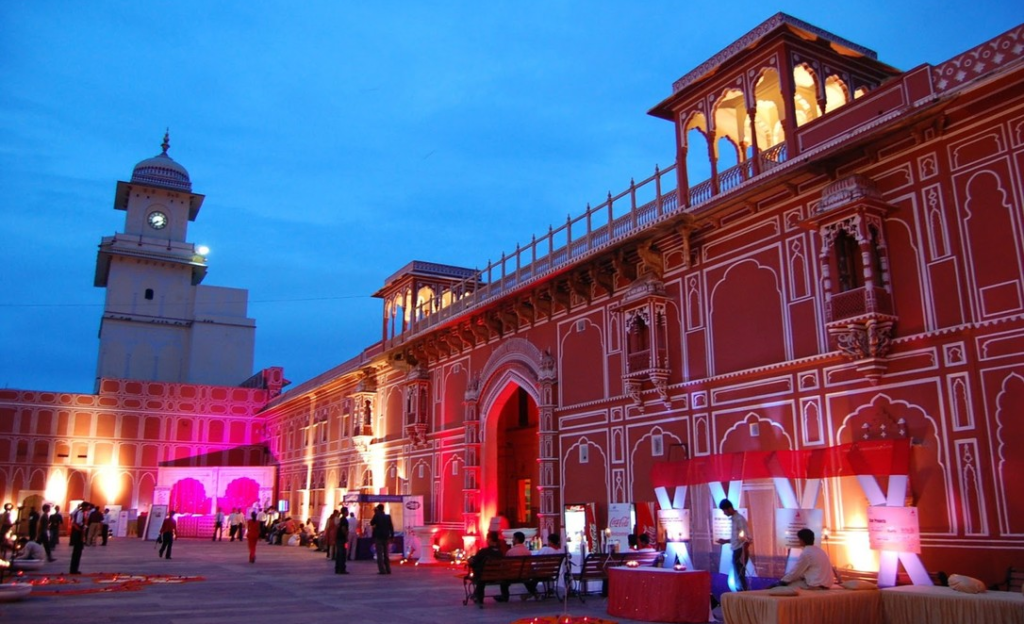
Jaipur is bold, bright, and unapologetically royal.Heritage Founded as a planned city in 1727, its wide avenues and rose-pink buildings give it a distinct grandeur. While towering hilltop forts like Amber Fort dominate the horizon, the city’s soul lives in its bustling bazaars.
- Don’t Miss: Haws Mahal (Palace of Winds), City Palace, and Jantar Mantar.
- The Real Experience: Spending an afternoon in Johari Bazaar, weaving past vendors selling hand-printed block textiles, blue pottery, and silver jewelry.
2. Varanasi, Uttar Pradesh (The Spiritual Heart)
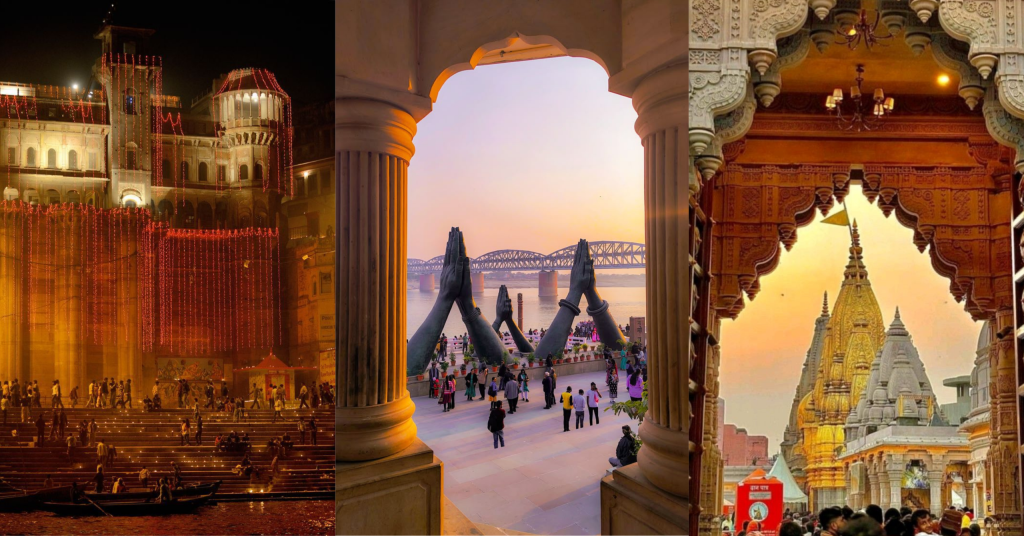
Varanasi isn’t a city you simply “see”—it’s an intense emotional experience. Positioned along the sacred Ganges River, it is one of the oldest continually inhabited cities on Earth. Heritage Life, death, and devotion all happen side by side along its famous stone riverbanks (ghats).
- Don’t Miss: Dashashwamedh Ghat during the evening fire ceremony (Aarti), Assign Ghat, and the peaceful Buddhist site of Sarnath nearby.
- The Real Experience: Waking up before dawn for a quiet boat ride along the river, watching the sunrise illuminate the ancient riverfront mansions.
3. Udaipur, Rajasthan (The City of Lakes)
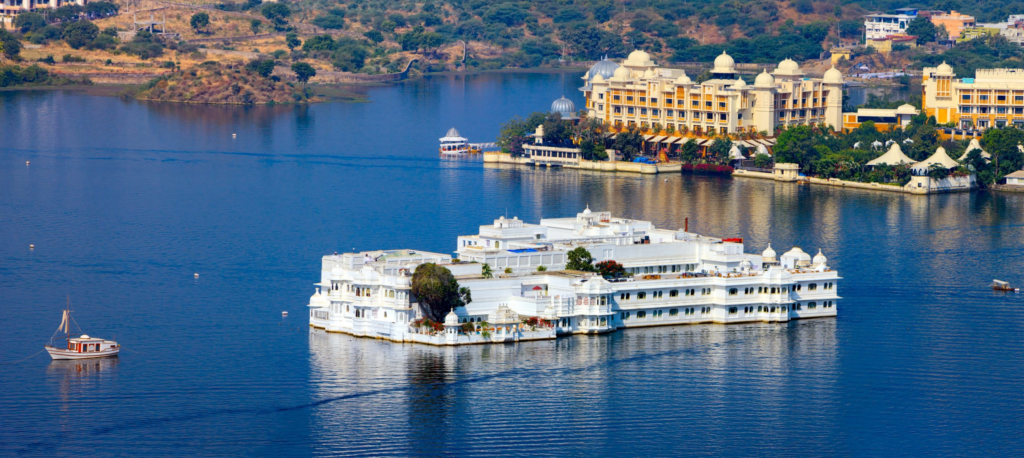
If Jaipur is grand and Varanasi is intense, Udaipur is serene and romantic. Heritage Nestled in the Aravalli Hills around shimmering artificial lakes, Udaipur feels like a painted miniature coming to life.
- Don’t Miss: The massive City Palace complex overlooking Lake Pichola, Jagdish Temple, and Saheliyon-ki-Bari.
- The Real Experience: Sitting at a lakeside rooftop café at dusk, listening to distant temple bells as the city lights reflect across the water.
4. Agra, Uttar Pradesh (The Mughal Masterpiece)
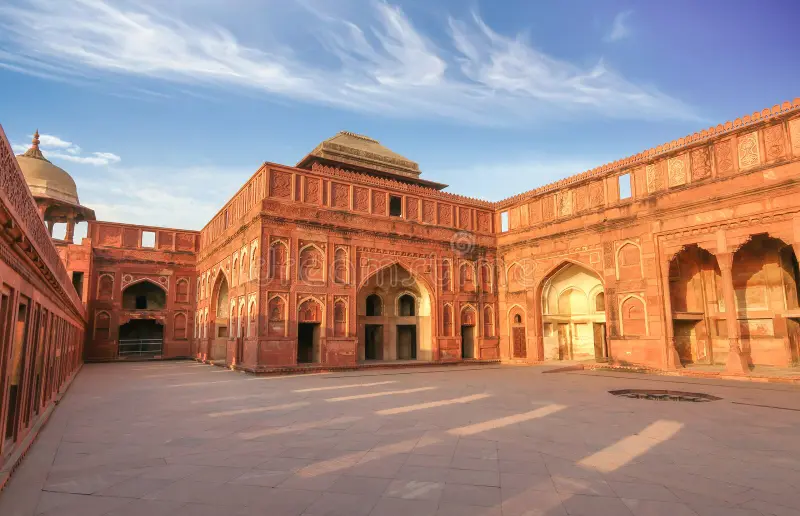
Most people fly into Agra, snap a picture of the Heritage Taj Mahal, and leave by sunset. But doing that means missing out on the epic saga of the Mughal Empire. Heritage Agra was once the glittering seat of power for an empire that shaped the subcontinent’s art, language, and cuisine.
- Don’t Miss: The Taj Mahal, the sprawling red sandstone walls of Agra Fort, and the abandoned royal city of Fatehpur Sikri.
- The Real Experience: Tasting Petha (a traditional local sweet made from ash gourd) while exploring the old city lanes behind the grand monuments.
5. Delhi (The Layered Capital)
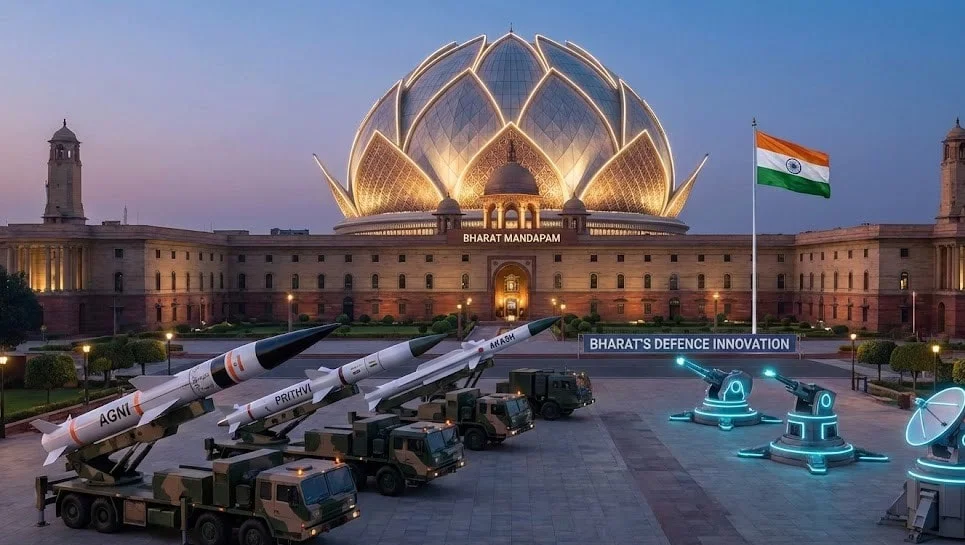
Delhi isn’t just one city—it’s seven or eight ancient capitals buried beneath a modern metropolis. Heritage You can start your morning at a medieval tomb, eat lunch in a British colonial courtyard, and spend your evening in a sleek urban night market.
- Don’t Miss: Humayun’s Tomb, the Red Fort, Qutub Miner, and Jama Masjid.
- The Real Experience: Taking a rickshaw through the chaotic, delicious, scent-filled lanes of Old Delhi (Chandni Chowk) to sample legendary street food.
6. Hyderabad, Telangana (Where North Meets South)
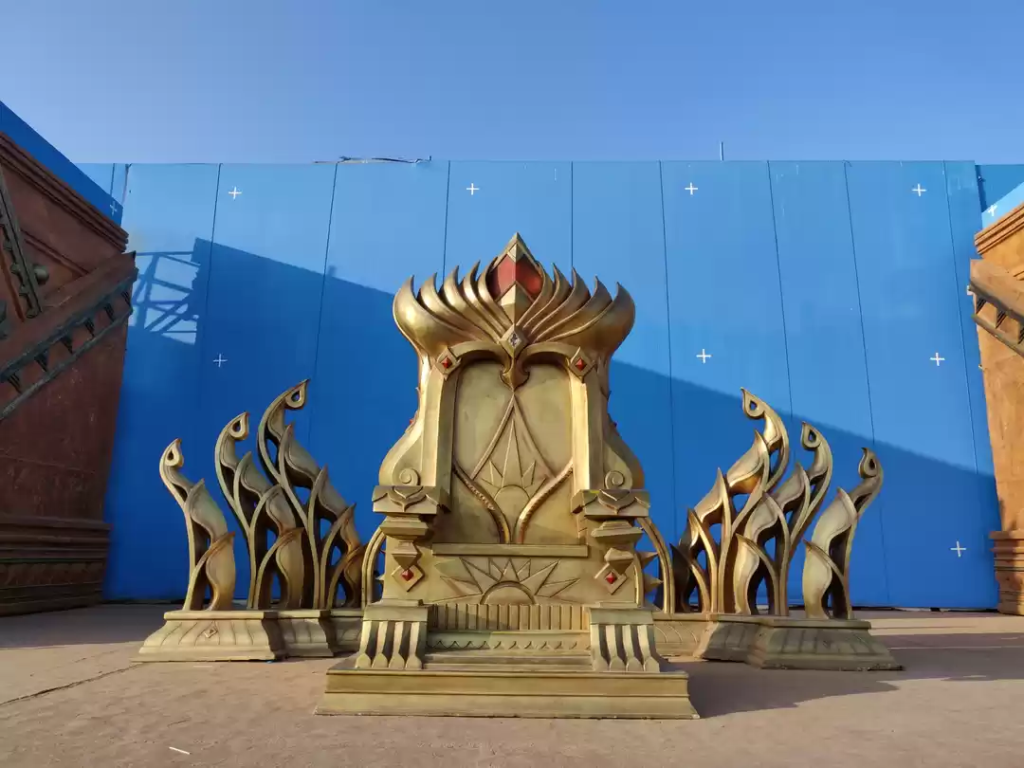
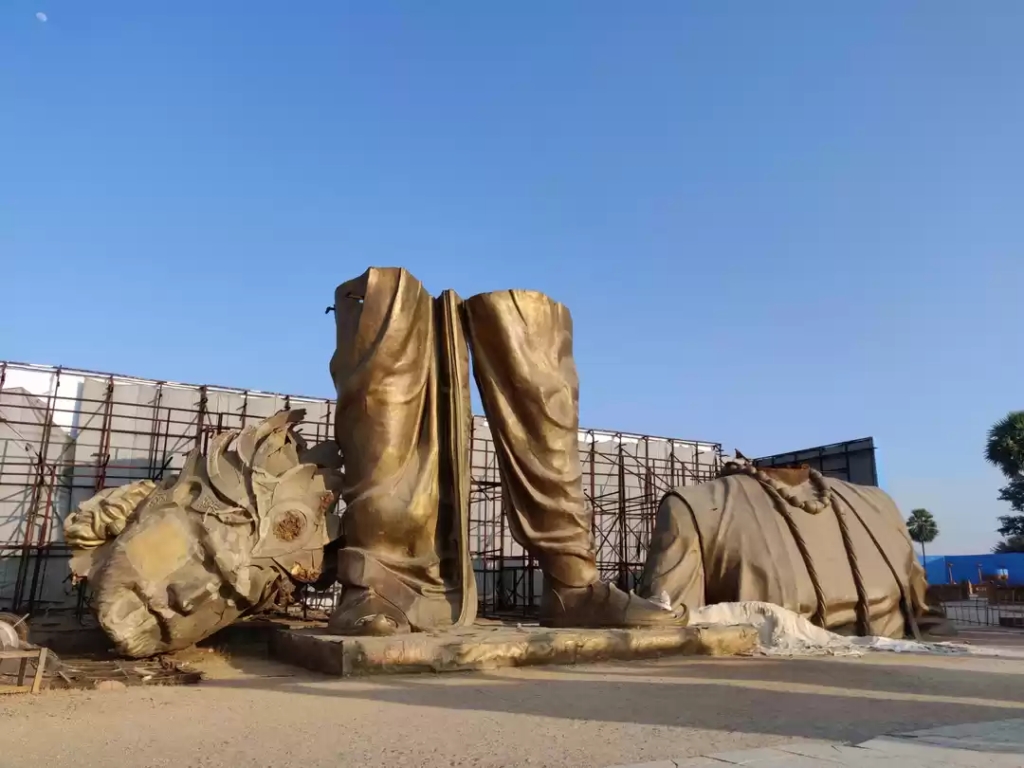
Hyderabad carries a rich Deccan Heritage shaped by centuries of Nizam rule. It’s a city where Islamic courtly grace blends seamlessly with South Indian traditions, creating an incredible fusion of architecture and flavor.
- Don’t Miss: The iconic Charminar, the massive Golconda Fort, and Chowmahalla Palace.
- The Real Experience: Sitting down for a slow, authentic meal of Hyderabadi Biryani followed by a hunt for real freshwater pearls in the historic markets nearby.
7. Ahmedabad, Gujarat (The Living Neighborhoods)
Ahmedabad was India’s first city to win Heritage UNESCO World Heritage status, largely thanks to its pols—gated, self-contained residential neighborhoods featuring intricately carved wooden houses (havelis).
- Don’t Miss: Sabarmati Ashram (the home of Mahatma Gandhi), Adalaj Stepwell, and Sidi Saiyyed Mosque with its famous stone-carved tree window.
- The Real Experience: Joining an early morning walking tour through the narrow pols to watch daily life unfold in these historic community courtyards.
8. Mysuru, Karnataka (Royal Southern Elegance)
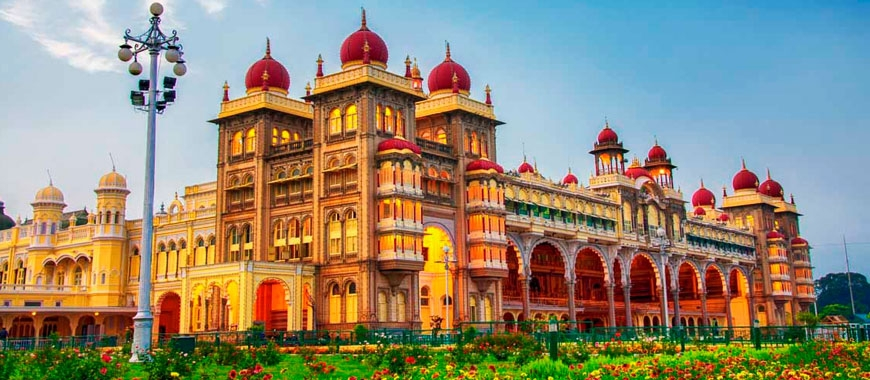
Mysuru (formerly Mysore) has a calm, cultured vibe defined by silk, sandalwood, and royal heritage. Heritage It lacks the frantic energy of bigger cities, making it a wonderful place to explore at an easy pace.
- Don’t Miss: Mysuru Palace (especially when illuminated on Sunday evenings), Chamundi Hill, and the vibrant Devaraja Market.
- The Real Experience: Wandering through Devaraja Market, where piles of fragrant incense, colorful flower garlands, and fresh spices fill the air.
9. Jodhpur, Rajasthan (The Blue City)
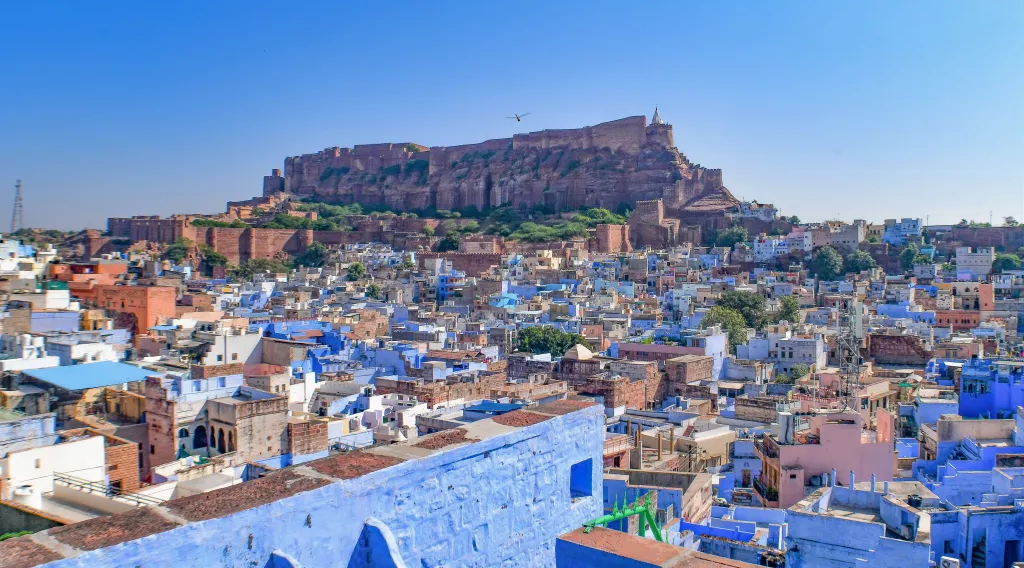
Guarded by one of India’s most imposing fortresses, Jodhpur stretches out below in a sea of vibrant indigo-painted homes. Heritage Originally painted to mark Brahmani residences (and to keep homes cool), the blue hues give the city an unmistakable signature.
- Don’t Miss: Mehrangarh Fort, Jaswant Thada, and the Clock Tower Market.
- The Real Experience: Standing atop Mehrangarh Fort at sunset to watch the blue cityscape glow as the evening calls to prayer echo across the valley.
10. Kolkata, West Bengal (The Cultural Soul)
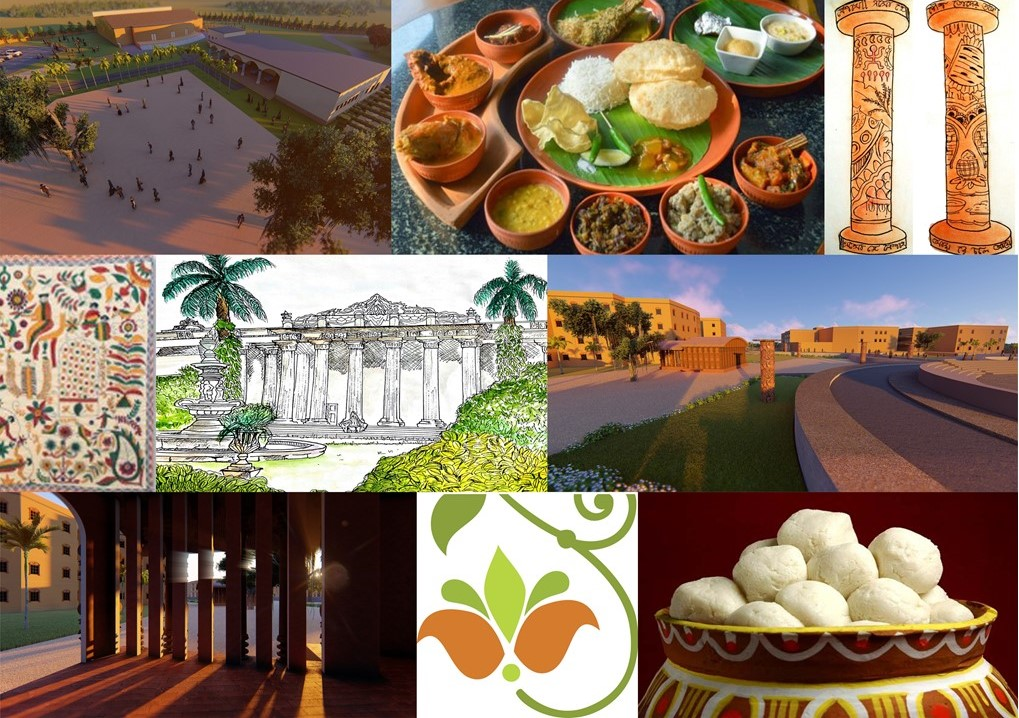
Kolkata doesn’t show off with sprawling palaces; its Heritage is woven into its grand, fading colonial mansions, its literary cafes, and its deep passion for the arts. Heritage It’s a city built on conversation, poetry, food, and intellectual pride.
- Don’t Miss: Victoria Memorial, Howrah Bridge, the historic bookshops on College Street, and the Indian Museum.
- The Real Experience: Drinking hot tea out of a traditional clay cup (kulhad) at a roadside stall while discussing local art or cricket with friendly locals.
Quick Reference: India’s Top Heritage Cities
| City | Region | Distinct Vibe | Must-See Sight | Unmissable Experience |
|---|---|---|---|---|
| Jaipur | Rajasthan | Grand & Royal | Amber Fort | Bargaining for textiles in Johari Bazaar |
| Varanasi | Uttar Pradesh | Sacred & Intense | Dashashwamedh Ghat | Sunrise boat ride along the Ganges |
| Udaipur | Rajasthan | Scenic & Romantic | City Palace | Watching the sunset over Lake Pichola |
| Agra | Uttar Pradesh | Mughal Elegance | Taj Mahal | Exploring Agra Fort & local Mughlai food |
| Delhi | Capital Territory | Layered & Dynamic | Humayun’s Tomb | Street food tour through Old Delhi |
| Hyderabad | Telangana | Regal Deccan | Charminar | Eating authentic Hyderabadi Biryani |
| Ahmedabad | Gujarat | Intricate & Artisanal | Sabarmati Ashram | Morning walking tour through historic pols |
| Mysuru | Karnataka | Relaxed & Majestic | Mysuru Palace | Evening walk through Devaraja Market |
| Jodhpur | Rajasthan | Dramatic & Vibrant | Mehrangarh Fort | Views of the blue city from the fort walls |
| Kolkata | West Bengal | Artistic & Intellectual | Victoria Memorial | Tea and conversation on College Street |
How to Get the Most Out of Your Visit
- Throw Away the Strict Checklist: If you spend your whole day sprinting from sight #1 to sight #10, you’ll miss the best parts. Build in buffer time just to wander, get slightly lost, sit at a tea stall, and people-watch.
- Go on Foot Whenever You Can: Cars isolate you from the city. Taking a morning walking tour with a local guide will reveal hidden courtyards, historical anecdotes, and small architectural details you’d drive right past in a taxi.
- Eat standard local food: Heritage lives on the plate as much as it does in stone. Skip the hotel buffets and ask locals where they eat their regional favorites—whether it’s a thali in Gujarat or street snacks in Kolkata.
- Mind local customs: Many historic sites are active places of worship. Keep a scarf handy to cover your head, wear comfortable shoes that slip on and off easily, and always respect photography rules inside temples and mosques.
Which of these cities Heritage catches your eye first, or are you trying to put together a specific travel route? Let me know what kind of vibe you enjoy most, and I’d be happy to help you tailor a realistic, easygoing itinerary!
FAQ’S
1. What are the best heritage cities in India?
Jaipur, Agra, Varanasi, Delhi, Udaipur, Jodhpur, Hyderabad, Ahmedabad, Mysuru, and Kolkata are popular heritage destinations.
2. Which city is famous for royal heritage?
Jaipur, Udaipur, and Jodhpur are well known for forts, palaces, and royal architecture.
3. Which city is best for Mughal architecture?
Agra and Delhi are famous for Mughal-era monuments and architecture.
4. What is Varanasi famous for?
Varanasi is known for its ghats, temples, religious traditions, silk, and cultural heritage.
5. What can you do besides visiting monuments?
Explore local markets, try regional food, visit historic neighborhoods, and discover traditional crafts.