

Hair self-care is about more than having shiny hair on a good day. Self-Care It is about building simple habits that keep your scalp comfortable, your hair manageable, and your routine realistic enough to follow regularly.
Between heat styling, coloring, pollution, changing weather, tight hairstyles, and busy schedules, hair can easily start feeling dry, rough, oily, or difficult to manage. The good news is that a good hair self-care routine does not have to involve dozens of products.
A few thoughtful habits can make a noticeable difference. From choosing the right shampoo and conditioner to protecting your hair from heat and giving your scalp some attention, small changes can turn everyday hair care into a relaxing form of self-care.
What Is Hair Self-Care?
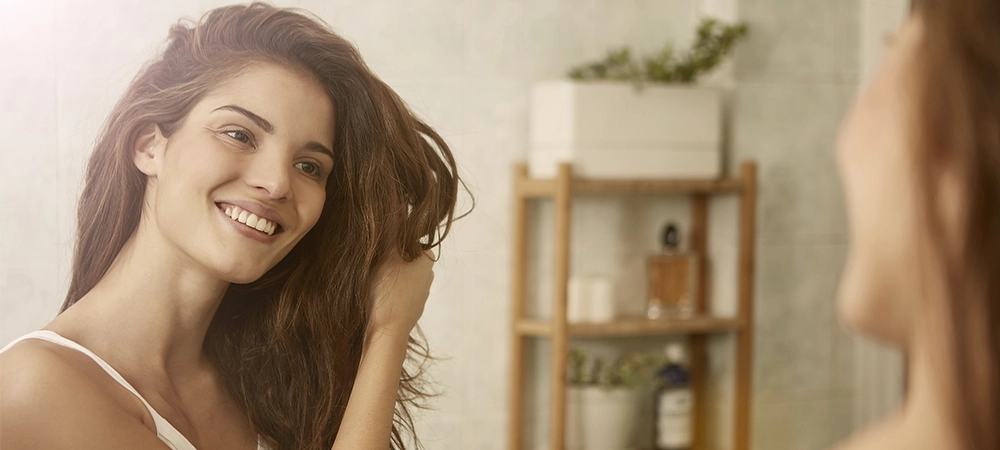
Hair self-care means taking intentional care of your hair and scalp while paying attention to what they actually need. It can include washing your hair properly, conditioning regularly, protecting it from heat, keeping the scalp clean, trimming damaged ends, and choosing products that suit your hair type.
It also means avoiding habits that create unnecessary stress on your hair. Constantly using high heat, brushing aggressively, sleeping with wet hair, or wearing very tight hairstyles can make hair harder to manage over time.
The best routine is one that fits your hair type, lifestyle, and schedule.
Hair Self-Care at a Glance
| Hair Self-Care Habit | Why It Matters | Simple Approach |
|---|---|---|
| Shampooing | Keeps the scalp and hair clean | Choose a shampoo suited to your scalp |
| Conditioning | Helps improve softness and manageability | Apply mainly to lengths and ends |
| Scalp care | Supports a clean, comfortable scalp | Massage gently while washing |
| Hair oiling | Can add softness and reduce dryness for some people | Use a small amount before washing if suitable |
| Heat protection | Helps reduce heat-related damage | Apply a heat protectant before styling |
| Gentle brushing | Reduces unnecessary pulling | Start at the ends and work upward |
| Trimming | Helps manage split or damaged ends | Trim when your ends need attention |
| Hydration | Supports softer, more manageable hair | Use suitable conditioners and masks |
| Protective hairstyles | Can reduce daily friction and tangling | Choose loose, comfortable styles |
| Consistency | Makes your routine easier to maintain | Keep products and steps simple |
Start With Your Hair Type
Before buying new products, take a moment to understand your hair. Straight, wavy, curly, and coily hair can have very different needs. Your scalp can also be oily, dry, sensitive, or somewhere in between.
For example, someone with an oily scalp may prefer a lighter routine, while someone with dry or curly hair may need more conditioning and moisture.
| Hair Type | Common Needs | Helpful Routine Focus |
|---|---|---|
| Straight | Oil can travel easily along the hair | Balanced cleansing and lightweight conditioning |
| Wavy | Can become frizzy or lose definition | Gentle cleansing and lightweight moisture |
| Curly | Often needs extra moisture and detangling | Conditioning, gentle handling, and curl-friendly styling |
| Coily | Can be prone to dryness and breakage | Moisture, gentle detangling, and protective styling |
| Fine Hair | Can feel weighed down easily | Lightweight products and careful product quantity |
| Thick Hair | May need more time to cleanse and condition | Thorough washing and section-by-section conditioning |
Your hair can also change with seasons, styling habits, coloring, and age, so your routine may need occasional adjustments.
Build a Simple Hair Care Routine
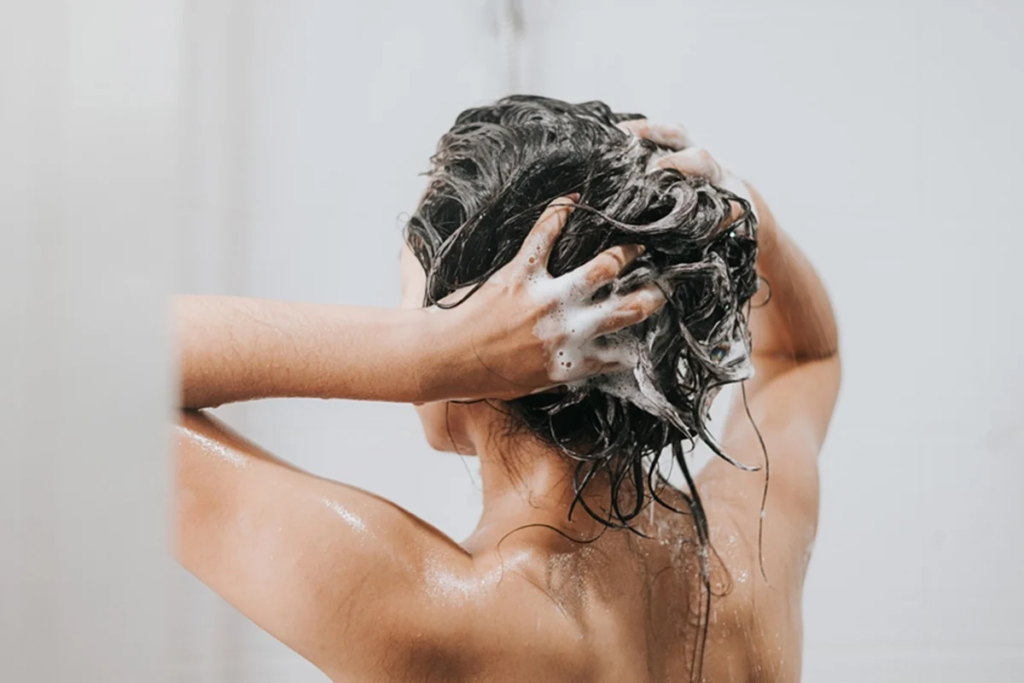
A complicated routine is not automatically a better routine. Start with the basics and add extra steps only when they are useful.
1. Cleanse Your Scalp
Shampoo is primarily about cleaning the scalp. Apply it gently and avoid aggressively scratching or scrubbing with your nails.
How often you wash depends on your scalp, hair type, lifestyle, and styling habits. Someone who exercises frequently may need a different washing schedule from someone with a dry scalp.
Focus on keeping your scalp clean without making your hair feel unnecessarily dry.
2. Condition Your Hair
Conditioner helps make hair feel smoother and easier to detangle. For many people, it works best when applied from the mid-lengths toward the ends rather than concentrated heavily at the roots.
Allow it to sit according to the product directions before rinsing.
If your hair feels particularly dry, a weekly hair mask can be an additional step.
3. Detangle Gently
Hair is more vulnerable to breakage when it is wet, so handle it carefully after washing.
Instead of pulling a brush through tangled hair from the roots, work through the ends first and gradually move upward. A wide-tooth comb can be useful for many hair types.
Take Care of Your Scalp
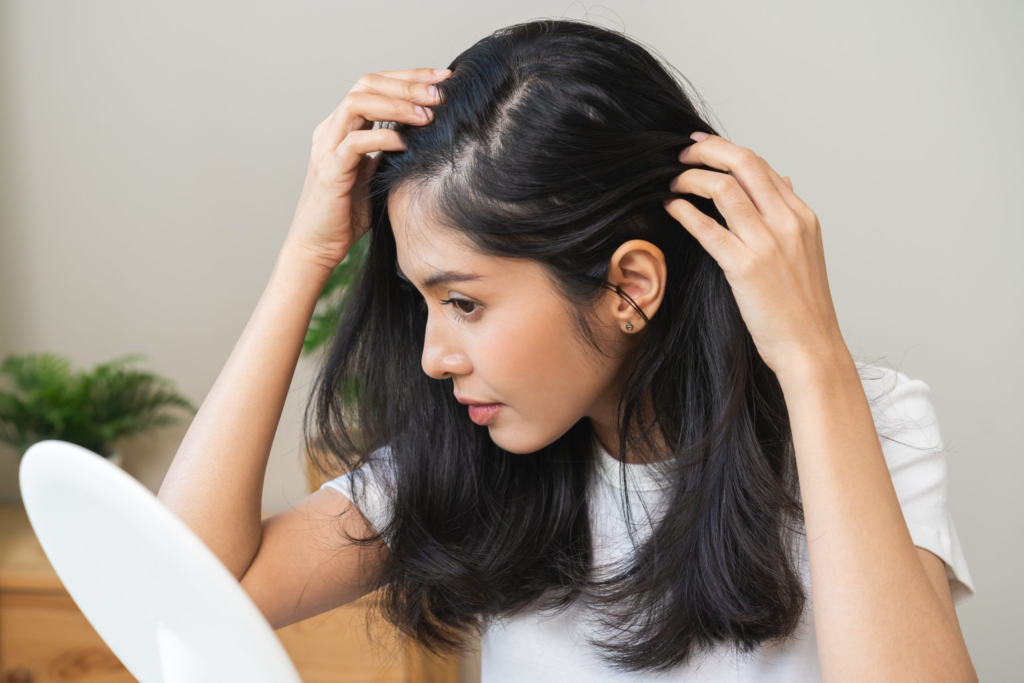
Healthy-looking hair starts with a well-cared-for scalp. Your scalp does not need an elaborate routine, but it does benefit from gentle cleansing and attention.
When shampooing, use your fingertips to gently massage the scalp. Avoid using your nails or applying excessive pressure.
If you notice persistent itching, significant flaking, redness, sores, or unusual hair loss, consider speaking with a dermatologist or other qualified healthcare professional rather than relying only on cosmetic products.
Protect Hair From Heat
Straighteners, curling irons, blow dryers, and other heated tools can make styling easier, but frequent high heat can contribute to dryness and damage.
A few simple habits can make heat styling more mindful:
- Use a heat-protectant product before styling.
- Avoid using the highest temperature setting unless necessary.
- Do not repeatedly pass a hot tool over the same section.
- Give your hair breaks from heat styling.
- Let hair dry naturally when practical.
- Make sure hair is appropriately dry before using tools designed for dry hair.
Heat protection is especially useful when styling is part of your regular routine.
Be Gentle With Wet Hair
Wet hair can be easier to stretch and damage, so your post-wash routine matters.
Instead of vigorously rubbing your hair with a towel, gently squeeze out excess water. A soft towel or suitable hair towel can help reduce rough handling.
Try to avoid immediately tying wet hair into a very tight ponytail or bun. Give it time to dry and use a loose style when you need to keep it away from your face.
Make Hair Oiling Part of Your Routine If It Works for You
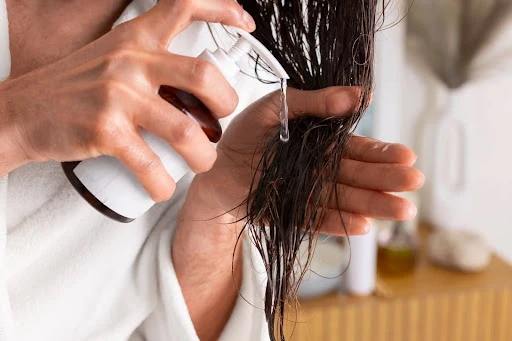
Hair oiling is a traditional practice in many households and can be a relaxing part of a personal hair-care routine. Depending on the oil and your hair type, it may help hair feel softer and easier to manage.
A small amount is usually easier to work with than soaking the hair in oil. You can gently massage a suitable oil into the scalp or apply it mainly to the lengths, depending on what works for you.
If your scalp is prone to buildup or irritation, heavy oiling may not feel comfortable. Pay attention to how your scalp and hair respond.
Choose Products Based on Your Needs
It is easy to get distracted by impressive packaging or long ingredient lists. Instead, start with the problem you are trying to solve.
| Hair Concern | Product Category to Consider |
|---|---|
| Dry-feeling hair | Moisturizing shampoo, conditioner, or mask |
| Frizz | Conditioner, leave-in products, and gentle styling |
| Tangling | Conditioner or detangling product |
| Heat styling | Heat protectant |
| Oily scalp | Appropriate cleansing routine |
| Lack of softness | Conditioner or occasional hair mask |
| Curl definition | Curl-friendly leave-in or styling product |
| Damaged-looking ends | Conditioning and regular trimming |
Remember that more product does not necessarily mean better results. Using the right amount can make your routine more comfortable and prevent unnecessary buildup.
Give Your Hair a Break From Tight Hairstyles
Ponytails, buns, braids, and other hairstyles can be convenient, but repeatedly pulling hair tightly can place stress on the hair and scalp.
When possible, alternate hairstyles and choose comfortable hair ties. Avoid keeping styles extremely tight for long periods, particularly if you notice scalp discomfort or increased tension.
Simple, loose hairstyles can be a useful part of everyday hair self-care.
Pay Attention to Your Ends
Split ends cannot be permanently repaired with a cosmetic product, although conditioners and styling products can temporarily improve how damaged ends look and feel.
Regular trimming can help keep the ends looking neater. How often you trim depends on your hair, styling habits, and personal preference.
If you frequently use heat or chemical treatments, you may need to pay closer attention to dryness and breakage around the ends.
Create a Weekly Hair Self-Care Routine
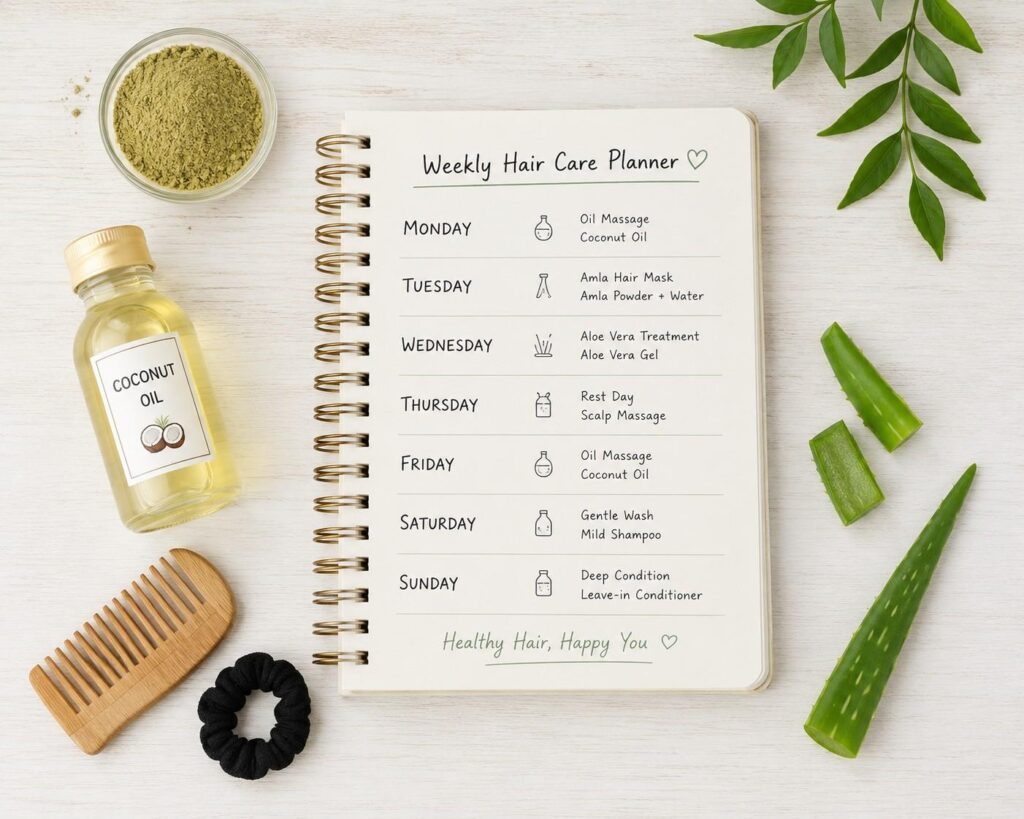
You do not have to spend hours on your hair every week. A simple schedule can help you stay consistent.
Daily
- Handle hair gently.
- Avoid unnecessary pulling and tugging.
- Protect hair when using heat.
- Keep hairstyles comfortable.
Wash Days
- Cleanse the scalp thoroughly but gently.
- Condition the lengths and ends.
- Detangle carefully.
- Dry without aggressive rubbing.
Weekly
- Use a hair mask if your hair benefits from one.
- Give yourself a few minutes for gentle scalp care.
- Check for excessive dryness, tangling, or breakage.
- Clean brushes and styling tools when needed.
Common Hair Care Mistakes to Avoid
Even a good routine can become less effective when basic habits work against it.
Some common mistakes include:
Using too much heat: Frequent high-temperature styling can leave hair feeling dry and brittle.
Brushing aggressively: Pulling through knots can cause unnecessary breakage.
Using too many products: Layering several heavy products can create buildup and make hair feel dull.
Ignoring the scalp: Hair care should include attention to the scalp, not only the visible lengths.
Wearing tight styles constantly: Repeated tension can make hairstyles uncomfortable and stressful for the hair.
Changing products too frequently: Give a routine reasonable time before deciding whether it works, unless a product causes irritation or another obvious problem.
Hair Self-Care Is Also About Your Lifestyle
Hair care does not stop at shampoo and conditioner. Everyday habits can influence how your hair feels and how manageable it is.
Try to maintain a balanced diet, stay hydrated, get enough rest, and manage stress where possible. These habits support overall well-being, which is also relevant to the appearance and condition of your hair.
If you experience sudden or significant hair loss, persistent scalp problems, or major changes in hair texture, professional advice can help identify whether there is an underlying issue.
Your Simple Hair Self-Care Checklist
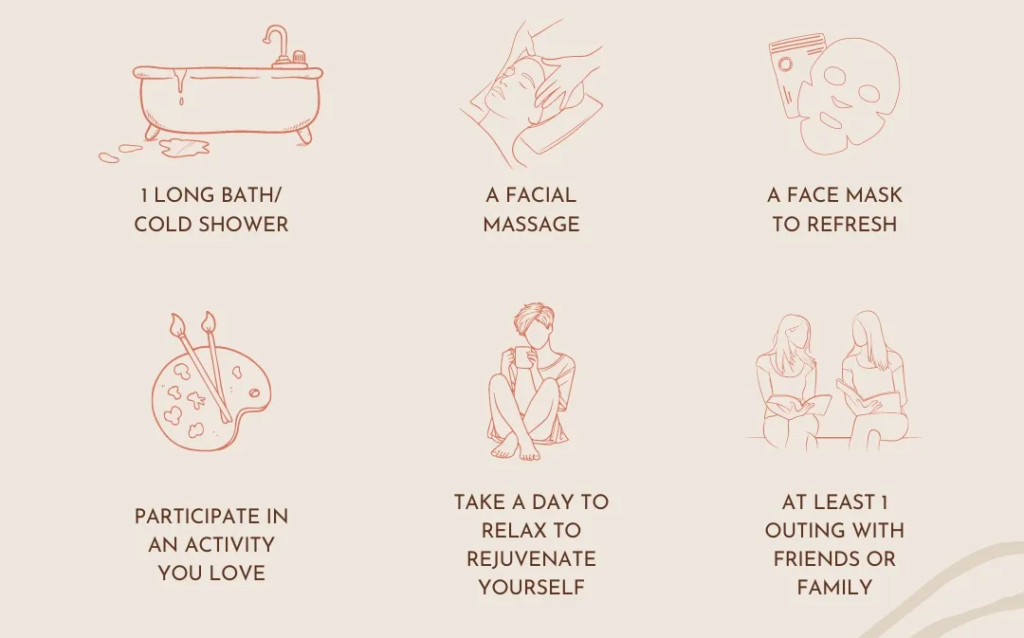
Use this checklist to keep your routine practical:
- Know your hair and scalp type.
- Choose a shampoo that suits your scalp.
- Condition regularly.
- Detangle gently.
- Use heat protection before hot styling.
- Avoid unnecessarily high heat.
- Keep tight hairstyles to a minimum.
- Give dry or damaged ends extra attention.
- Clean brushes and styling tools regularly.
- Use hair masks when your hair benefits from them.
- Keep your routine simple and consistent.
- Pay attention to changes in your scalp or hair.
FAQ’s
1. What is hair self-care?
Hair self-care means developing simple habits that support clean, manageable, healthy-looking hair and a comfortable scalp. It can include washing, conditioning, gentle brushing, heat protection, and regular trimming.
2. How often should I wash my hair?
There is no single schedule that works for everyone. Washing frequency can depend on your scalp type, hair texture, lifestyle, exercise routine, and styling habits.
3. What is the best basic hair care routine?
A simple routine can include gentle shampooing, regular conditioning, careful detangling, heat protection when styling, and comfortable hairstyles that avoid excessive tension.
4. How can I reduce hair breakage?
Handle your hair gently, avoid aggressive brushing, limit excessive heat, use conditioner, detangle carefully, and avoid repeatedly wearing very tight hairstyles.
5. Is hair oiling good for hair?
Hair oiling can be a relaxing part of a hair-care routine and may help some hair feel softer and easier to manage. The amount and frequency should suit your hair and scalp.