

In today’s competitive business world, success is no longer driven by products or profits alone. One of the most powerful yet often overlooked factors behind sustainable business growth is office culture. A strong office culture shapes how employees work, communicate, and grow together—directly influencing productivity, innovation, and long-term success.
This blog explains what office culture is, why it matters, and how it acts as the backbone of business growth.
What Is Office Culture?
Office culture refers to the shared values, beliefs, attitudes, and behaviors that define how people interact within a workplace. It includes everything from leadership style and communication methods to teamwork, work-life balance, and company ethics.
Office culture is not written only in policies—it is reflected in:
- How employees are treated
- How decisions are made
- How success and failure are handled
- How teams collaborate daily
A positive office culture creates a sense of belonging and purpose among employees.
Why Office Culture Matters More Than Ever

Modern employees seek more than just a paycheck. They want meaningful work, respect, growth opportunities, and a healthy work environment. Companies that invest in office culture gain a competitive advantage.
Here’s why office culture matters:
- It improves employee satisfaction
- It reduces workplace stress and conflicts
- It enhances collaboration and creativity
- It builds trust between leadership and teams
A strong culture attracts top talent and retains skilled employees.
Office Culture as the Backbone of Business Growth
1. Boosts Employee Productivity
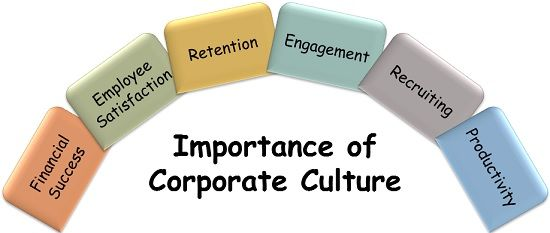
When employees feel valued and supported, they are naturally more motivated to perform well. A positive office culture encourages ownership, accountability, and enthusiasm, leading to higher productivity and better results.
2. Enhances Employee Engagement
Engaged employees care about their work and the company’s goals. Office culture plays a major role in keeping employees emotionally connected to their organization, reducing absenteeism and burnout.
3. Improves Talent Retention
High employee turnover can slow down business growth. A healthy office culture promotes loyalty and job satisfaction, helping companies retain experienced and skilled professionals.
4. Encourages Innovation and Creativity
An open and supportive culture allows employees to share ideas freely without fear of failure. This leads to innovation, problem-solving, and continuous improvement—essential elements for business expansion.
5. Strengthens Team Collaboration
A strong office culture promotes teamwork and mutual respect. Employees collaborate more effectively, leading to smoother workflows, faster decision-making, and better project outcomes.
Key Elements of a Strong Office Culture
1. Effective Leadership
Leaders set the tone for office culture. Transparent, supportive, and ethical leadership builds trust and motivates employees to perform at their best.
2. Clear Communication
Open communication ensures employees feel heard and informed. Regular feedback, team meetings, and honest discussions strengthen relationships within the workplace.
3. Respect and Inclusivity
A culture that values diversity, fairness, and respect creates a safe and welcoming environment for everyone.
4. Work-Life Balance
Flexible work policies and respect for personal time help reduce stress and increase overall employee well-being.
5. Recognition and Growth Opportunities
Acknowledging employee achievements and offering learning opportunities keeps teams motivated and future-ready.
Impact of Office Culture on Company Reputation
Office culture doesn’t stay inside the office—it reflects outward. Happy employees become brand ambassadors, positively influencing a company’s reputation on social media, review platforms, and in the job market.
A strong reputation helps businesses:
- Attract high-quality talent
- Build customer trust
- Strengthen partnerships
How Businesses Can Build a Positive Office Culture
- Define clear company values
- Encourage employee feedback
- Promote teamwork and transparency
- Invest in employee development
- Lead by example
Consistent efforts over time create a culture that supports long-term growth.
Conclusion
Office culture is not just an internal concept—it is the backbone of business growth. A positive and strong office culture drives productivity, engagement, innovation, and employee retention. Companies that prioritize office culture build resilient teams, achieve sustainable growth, and stay ahead in today’s competitive market.
The information provided in this blog is for general informational purposes only. While every effort has been made to ensure accuracy and relevance, the content is not intended to serve as professional, legal, or business advice. Office culture practices and outcomes may vary depending on organization size, industry, and management approach. Readers are encouraged to evaluate their own workplace needs and consult qualified professionals before implementing any strategies discussed. The author and publisher are not responsible for any actions taken based on the information provided in this article.
#OfficeCulture #WorkplaceCulture #BusinessGrowth #CompanyValues #EmployeeEngagement #WorkplaceWellbeing #TeamCollaboration #LeadershipDevelopment #Anslation #Carrerbook #PositiveWorkplace #CorporateCulture #EmployeeRetention #ProfessionalGrowth #WorkLifeBalance #ModernWorkplace