
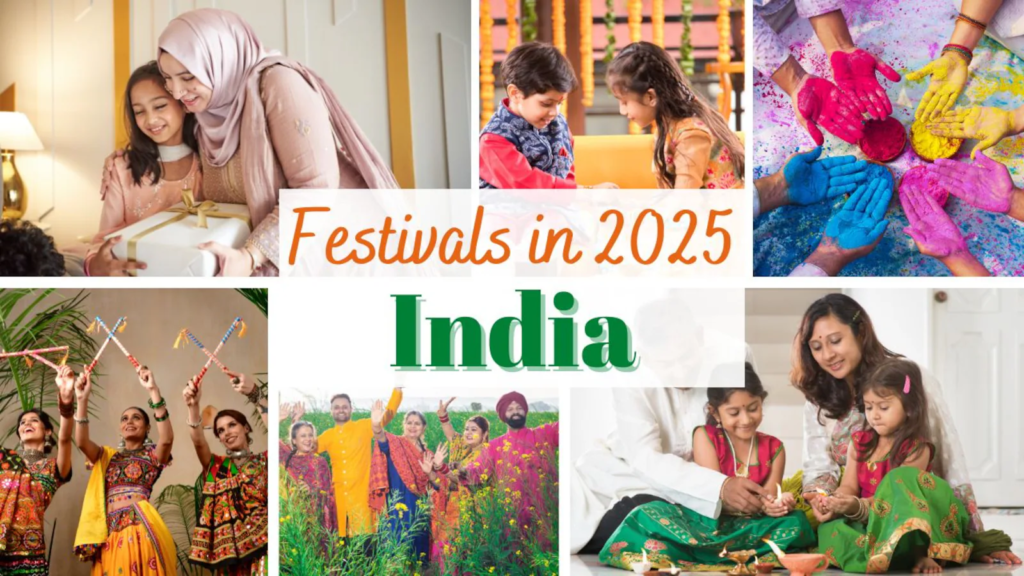
India, often called the land of diversity, is a country where ancient traditions meet modernity. With a history spanning over 5,000 years, Indian culture is rich, vibrant, and multifaceted. In 2025, understanding Indian culture is not just about knowing its past—it’s about seeing how traditions, festivals, food, art, and daily life continue to shape the identity of over 1.4 billion people today.
1. Diversity of Indian Culture
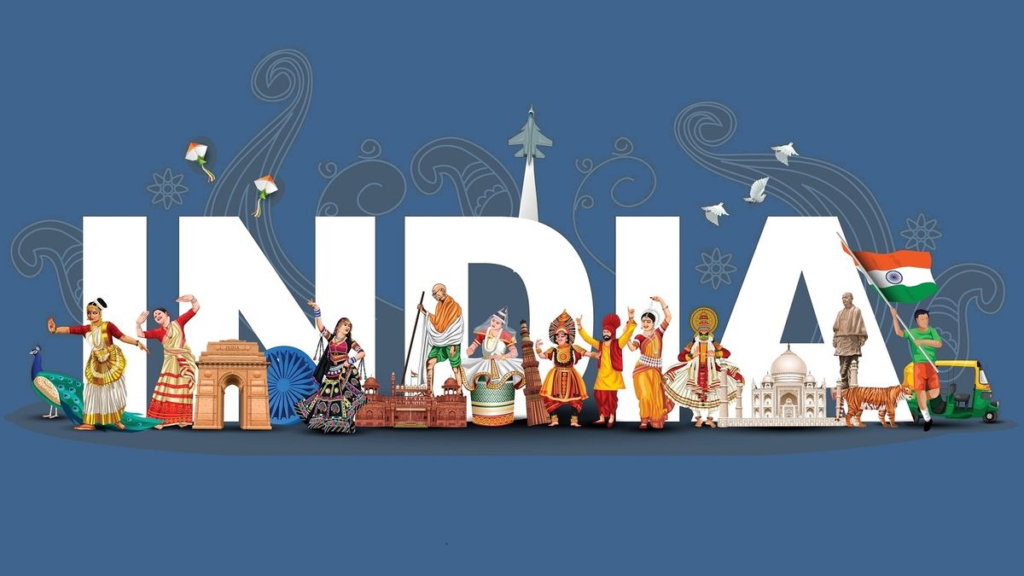
One of the most fascinating aspects of Indian culture is its diversity. With 28 states and 8 union territories, India is home to hundreds of languages, religions, and communities. Hindi and English are widely spoken, but regional languages like Tamil, Bengali, Marathi, and Punjabi reflect local traditions.
Religious diversity is equally remarkable. India is the birthplace of Hinduism, Buddhism, Jainism, and Sikhism, while Islam, Christianity, Zoroastrianism, and Judaism have coexisted peacefully for centuries. This cultural blend influences festivals, rituals, and even cuisine.
2. Festivals: A Celebration of Life
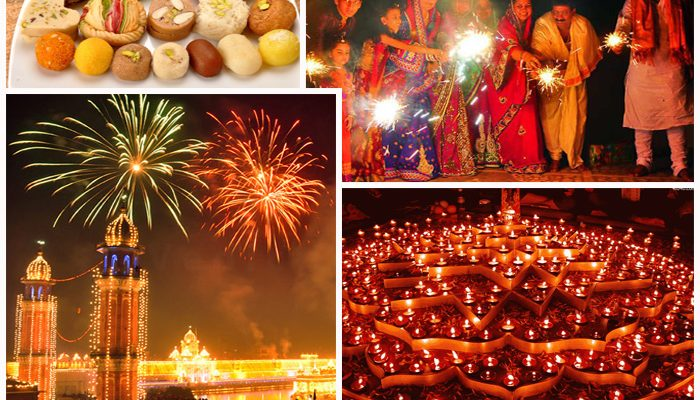
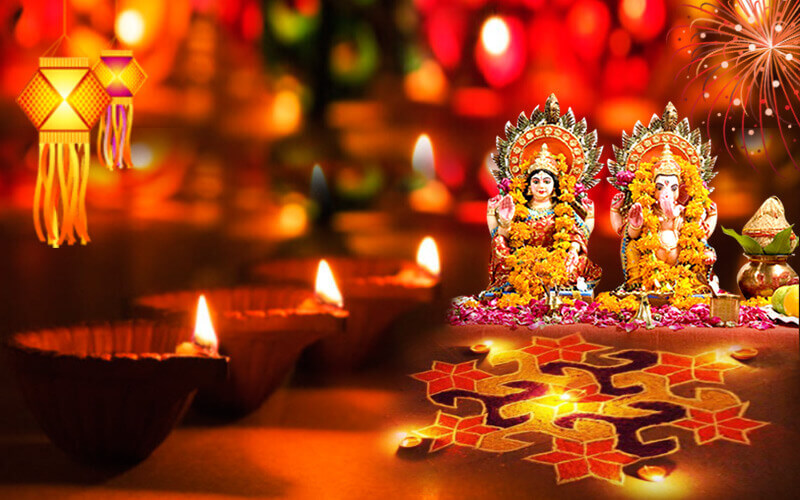
Festivals are the heart of Indian culture. They are celebrated with enthusiasm, rituals, music, and dance, reflecting both religious devotion and social bonding. Some popular festivals include:
- Diwali – The festival of lights, symbolizing the victory of good over evil.
- Holi – Known as the festival of colors, celebrating joy and community.
- Eid – Marked by prayers, feasting, and charity in the Muslim community.
- Christmas – Celebrated with midnight mass and decorations by Christians.
- Navratri – Nine nights of devotion, dance, and traditional music.
These festivals not only preserve traditions but also bring communities together, showcasing the unity in diversity that India is known for.
3. Traditional Indian Attire
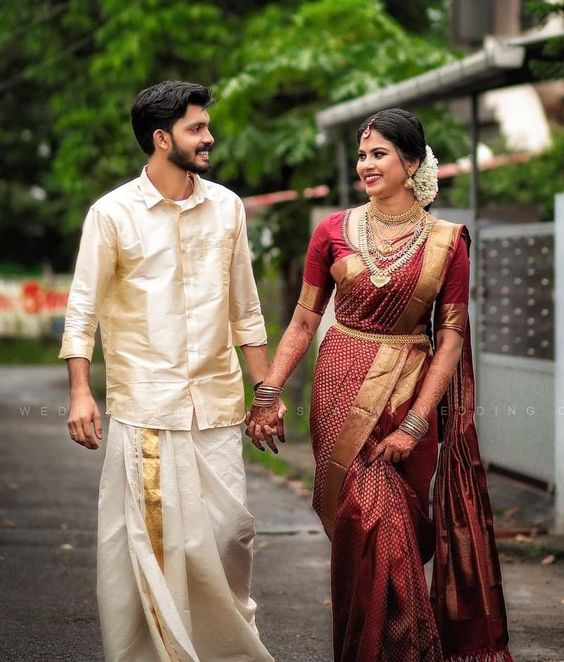
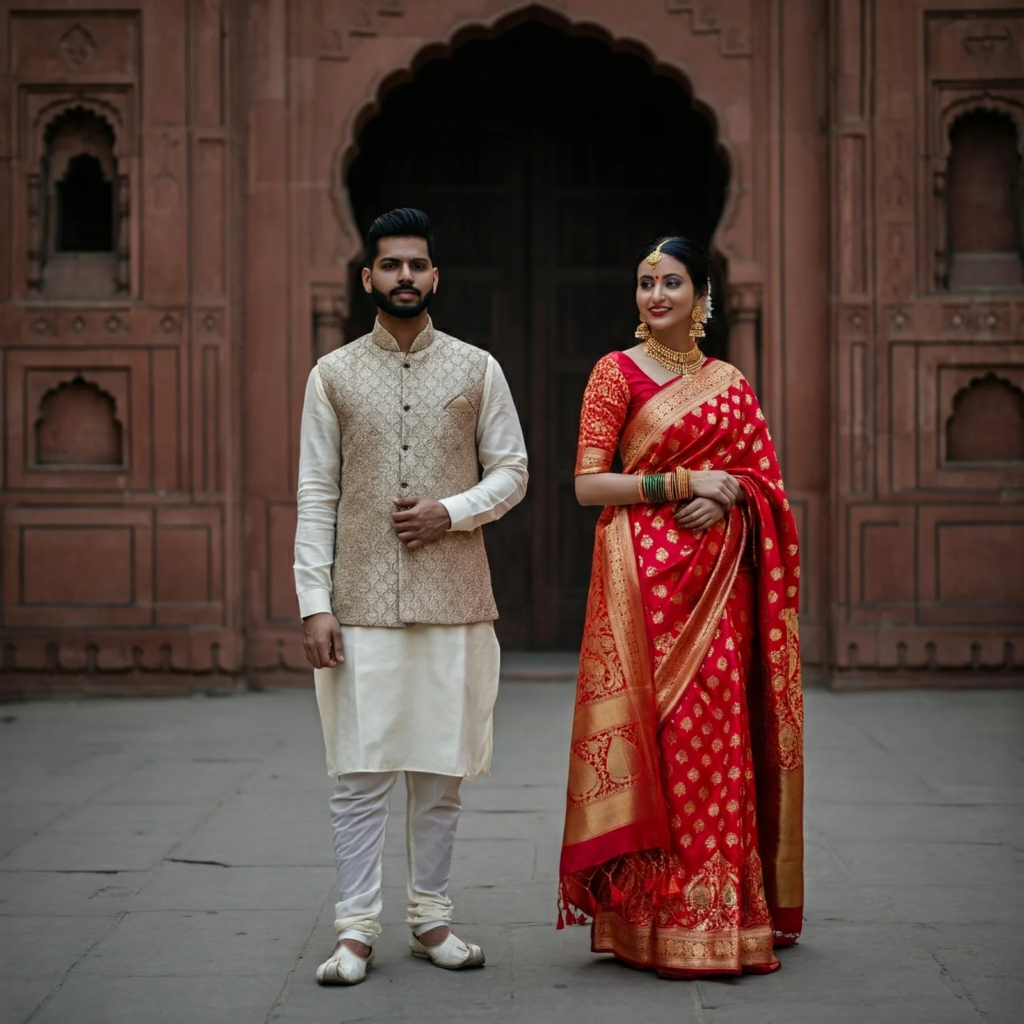
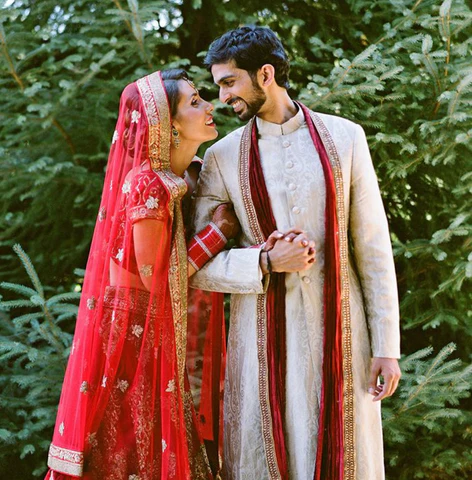
Indian clothing varies by region, occasion, and culture. Traditional attire includes:
- Saree – Worn by women across India, varying in style and fabric by region.
- Salwar Kameez – Popular in North India for daily wear and festivities.
- Dhoti and Kurta – Traditional male attire, often seen in ceremonies and festivals.
- Lehenga and Sherwani – Worn during weddings and cultural events.
Modern Indian fashion blends Western styles with traditional motifs, keeping cultural heritage alive in contemporary settings.
4. Indian Cuisine: A Flavorful Journey
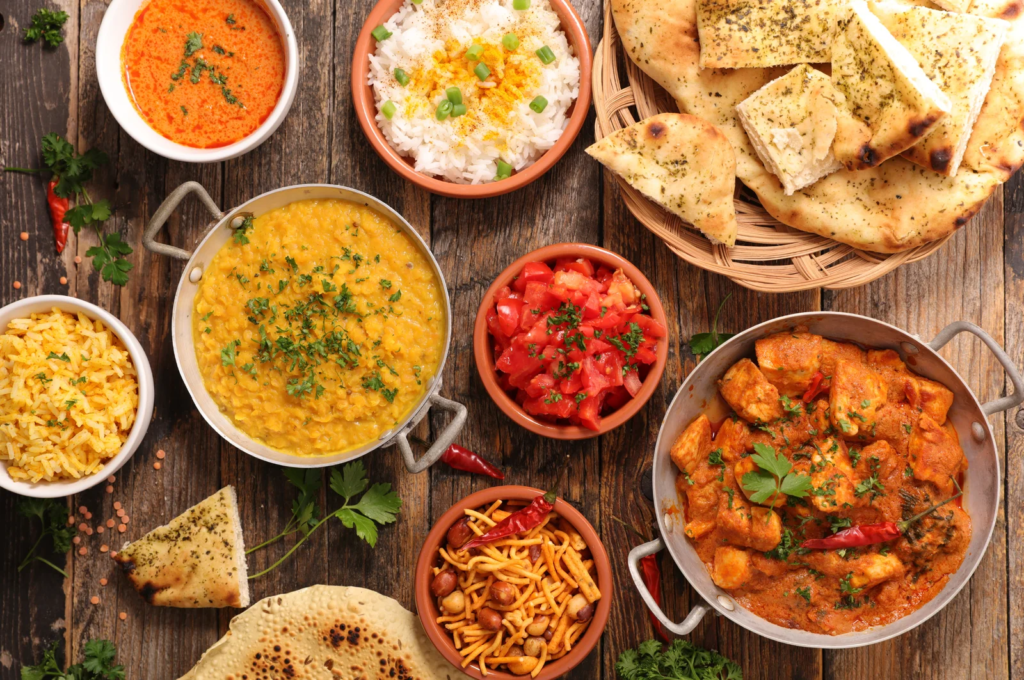
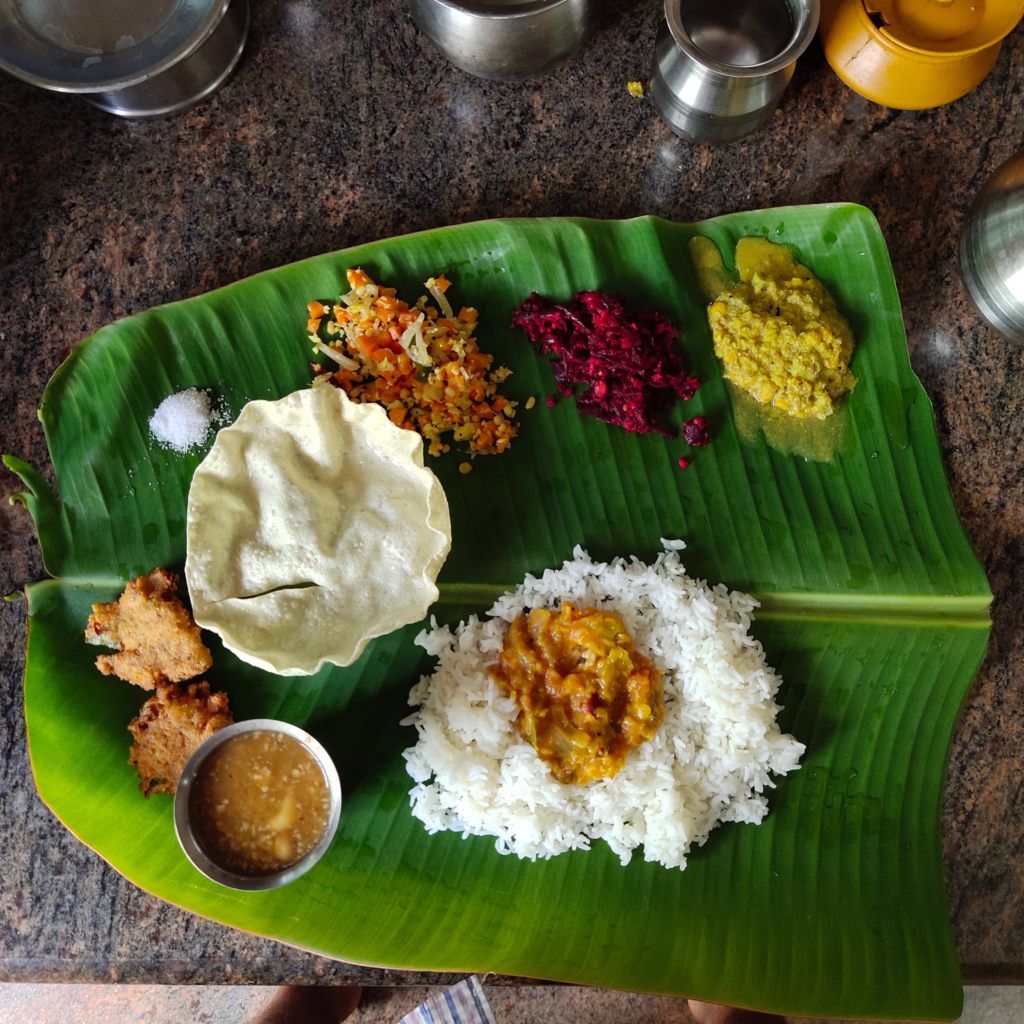
Indian cuisine is as diverse as its culture. Each region offers unique flavors and dishes:
- North India – Rich, creamy curries like butter chicken and paneer tikka.
- South India – Rice-based dishes, dosas, and coconut-infused delicacies.
- East India – Fish curries and sweets like rasgulla and sandesh.
- West India – Spicy vegetarian thalis and street foods like dhokla.
Indian food is not just about taste—it reflects history, geography, and traditions, often tied to festivals and rituals.
5. Art, Music, and Dance
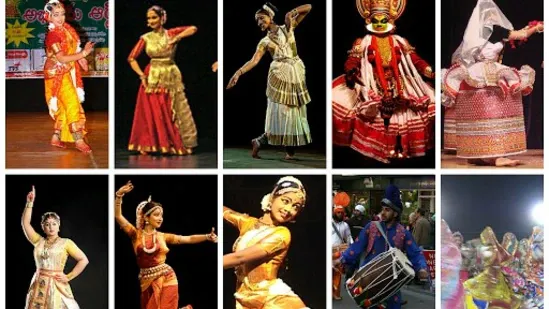
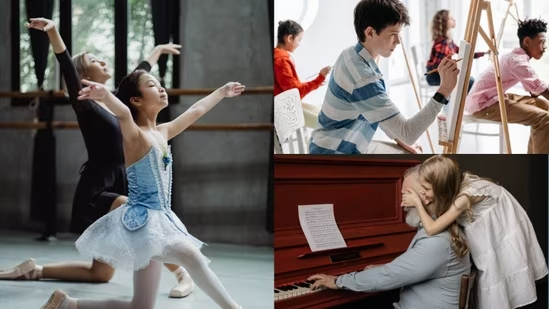
India’s art and culture are deeply rooted in history and spirituality:
- Classical Dance – Bharatanatyam, Kathak, Odissi, and Kathakali are famous dance forms, often telling stories from mythology.
- Music – From Hindustani and Carnatic classical music to modern Bollywood tunes, music plays an integral role in cultural expression.
- Handicrafts – India is known for exquisite handicrafts like pottery, weaving, embroidery, and jewelry.
These art forms are preserved through generations, celebrating India’s creative and spiritual legacy.
6. Indian Traditions in Modern Life
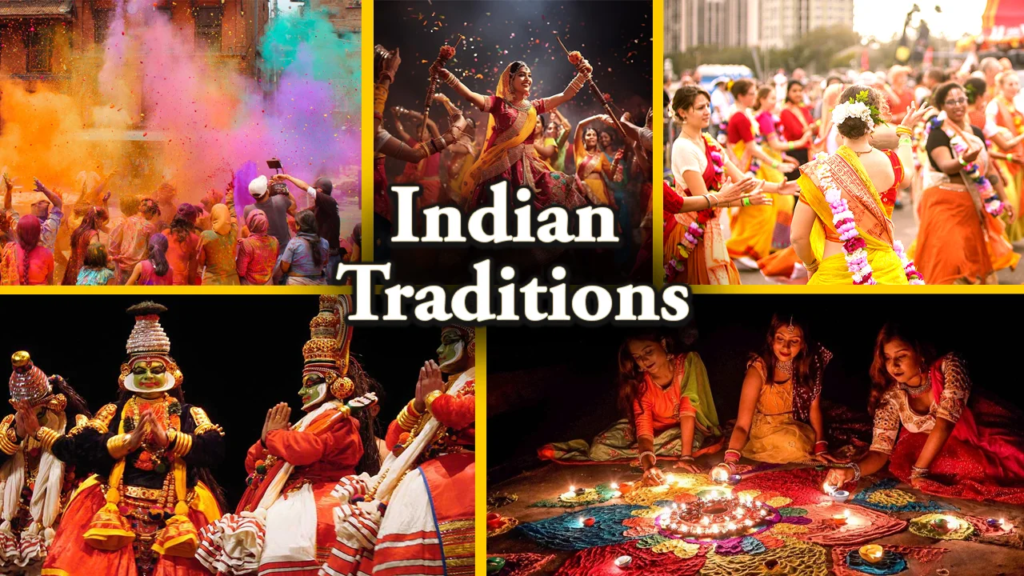
Even in 2025, traditional Indian values remain relevant:
- Respect for Elders – A cornerstone of Indian family life.
- Hospitality – “Atithi Devo Bhava” (The guest is god) is practiced nationwide.
- Yoga and Meditation – Ancient practices now recognized globally for health and wellness.
- Arranged Marriages – Evolving with modern compatibility, but still widely practiced.
These traditions seamlessly blend with contemporary lifestyles, keeping cultural roots strong while embracing change.
7. The Global Influence of Indian Culture
Indian culture has transcended borders:
- Cuisine – Indian restaurants and spices are popular worldwide.
- Yoga and Ayurveda – Practiced internationally for wellness.
- Bollywood – Influences fashion, music, and pop culture globally.
India’s cultural diplomacy continues to showcase its rich heritage on the global stage.
Conclusion
Indian culture and traditions are a living, evolving tapestry, deeply rooted in history yet adaptable to modern life. In 2025, exploring India’s cultural richness is not only a journey into its past but also a window into its vibrant present and future. Understanding these traditions helps appreciate the unity in diversity that defines India—a true celebration of life, art, and human connection.
This blog is for informational purposes only. Cultural interpretations may vary across regions and communities. We encourage readers to explore and experience Indian culture firsthand with respect and sensitivity.
The content provided in this blog is for informational and educational purposes only. While we strive to provide accurate and up-to-date information about Indian culture and traditions, interpretations may vary across regions, communities, and personal experiences. Readers are encouraged to explore and experience Indian culture firsthand and approach cultural practices with respect and sensitivity. This blog does not constitute professional advice and the author is not responsible for any actions taken based on the information provided.
#IndianCulture #IndianTraditions #CultureInIndia #FestivalsOfIndia #Anslation #Carrerbook #IndianHeritage #IndianCuisine #IndianArt #IndianLifestyle #India2025 #UnityInDiversity